
Commercial Elevator Maintenance Plans in Western Washington
A maintenance plan is a scheduled service agreement that keeps an elevator running safely, meeting Washington state code, and avoiding surprise breakdowns. Regular servicing catches worn parts before they fail, which protects tenants and building owners from liability and downtime.
Our maintenance plans include:
- Scheduled inspections based on your elevator's use and age
- Lubrication, adjustment, and safety testing of moving parts
- Code compliance checks against Washington state elevator regulations
- Priority response if something comes up between visits
Maintenance Plans Reduce Unexpected Elevator Downtime for Property Managers
Together these steps mean fewer surprise outages, lower long-term repair costs, and a documented service history for your compliance records.
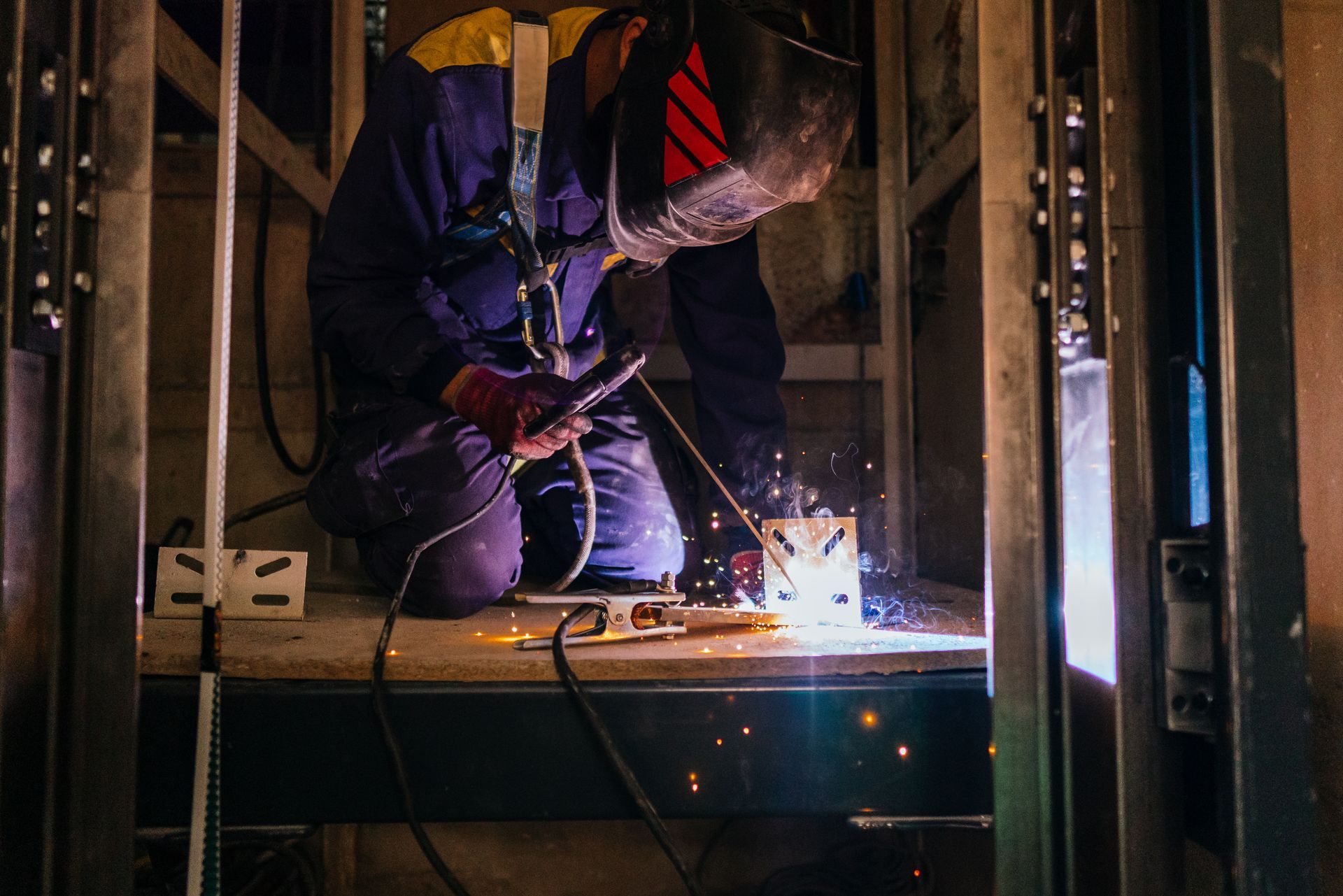
What Happens During a Scheduled Maintenance Visit
1. Scheduling
We confirm a visit window that works around your building's traffic, usually within normal business hours, and send a reminder before our technician arrives.
2. On-Site Inspection
Our licensed technician checks the car, hoistway, machine room, and safety devices against a documented checklist built for your elevator's make and age.
3. Service and Adjustment
We lubricate, adjust, and test moving parts on the spot, and flag any part that is wearing down before it becomes a breakdown.
4. Safety Testing
PSEC can perform and document annual and 5-year safety testing, keeping you in compliance.
Elevator Maintenance Visit Frequency for Western Washington Buildings
Visit frequency typically ranges from monthly to quarterly depending on elevator usage, building type, and manufacturer recommendations. We set the schedule during the first consultation.
Elevator Maintenance Questions from Property Owners and Managers
How often does my elevator need to be serviced?
Most commercial elevators need service every one to three months, depending on how much the elevator is used and what the manufacturer recommends. High-traffic buildings often need monthly visits, while lower-use elevators can go longer between service calls. We set your exact schedule after reviewing your equipment.What does an elevator maintenance plan typically cost?
Maintenance plan costs depend on your elevator's size, age, and how often it needs service. Most property owners pay a flat monthly or quarterly rate that covers scheduled visits and priority response. We provide a free, itemized quote after a short on-site assessment of your equipment.Is elevator maintenance required by law in Washington state?
Yes, Washington state requires elevators to be inspected and maintained on a regular basis to stay code compliant. Building owners who skip required maintenance risk failed inspections, fines, or an elevator being taken out of service. A documented maintenance plan keeps your records current for state inspectors.What happens if my elevator fails inspection?
If your elevator fails inspection, the inspector will note the specific violations that need correction before it can be put back into service. We can review the inspection report, make the required repairs, and coordinate the re-inspection so your elevator gets back online quickly.Can I switch to Puget Sound Elevator Company if I already have a maintenance contract elsewhere?
Yes, you can switch providers once your current contract term allows for it. We review your existing service history, confirm your elevator's maintenance needs, and set up a new schedule so there is no gap in coverage or compliance.
Protect Your Elevator's Safety and Compliance with a Maintenance Plan Built for Your Building
Puget Sound Elevator Company has served property owners and contractors across Western Washington since 2018, and a maintenance plan is the simplest way to avoid surprise breakdowns and stay code compliant.